In recent years, conversations around sustainability, energy efficiency, and smart investments have become central topics in both business and renewable energy sectors. While solar panels, smart grids, and electric vehicles often dominate the spotlight, one critical element is frequently overlooked: the roof itself. The quality, durability, and maintenance of a roof play a foundational role in how efficiently a building uses energy and adapts to sustainable solutions.
For homeowners and property investors alike, working with a reliable Florida roofing company is often the first practical step toward improving long-term energy performance. A properly designed and maintained roof not only protects the structure but also supports insulation, reduces cooling costs, and creates the conditions needed for renewable energy systems to perform optimally.
Roofing as a Strategic Energy Investment
From a business perspective, a roof should not be viewed merely as a construction expense, but rather as a long-term asset. In warm and coastal regions such as Florida, roofs are exposed to intense sun, humidity, and seasonal storms. These environmental factors directly influence indoor temperatures and energy consumption.
High-quality roofing materials can reflect solar heat, improve thermal regulation, and reduce the strain on HVAC systems. When combined with consistent roof maintenance naples fl, property owners can significantly extend the lifespan of their roofing systems while maintaining energy efficiency year after year.
This approach aligns closely with modern business strategies that prioritize sustainability, cost control, and asset optimization—key themes across the renewable energy landscape.
The Link Between Roofing and Renewable Energy Systems
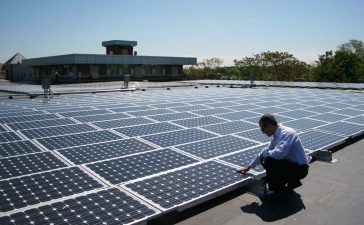
As solar adoption grows, the relationship between roofing and renewable energy becomes even more important. Solar panels rely heavily on roof stability, orientation, and material compatibility. A poorly maintained or aging roof can undermine solar investments by increasing the risk of structural issues, leaks, or premature replacement.
Many homeowners install solar systems without fully assessing the condition of their roofs, only to face unexpected repairs later. Proactive roof assessments and maintenance ensure that renewable energy systems can operate efficiently over their full lifecycle. This integrated approach reduces waste, avoids unnecessary replacements, and supports sustainable construction principles.
In this context, roofing becomes a silent partner in renewable energy success—one that often determines whether sustainability investments deliver their promised returns.
Climate Considerations in Florida’s Roofing Landscape
Florida’s climate presents unique challenges that directly affect roofing performance and energy efficiency. Prolonged heat exposure can degrade roofing materials, while sudden storms and heavy rainfall test waterproofing systems. Salt air in coastal regions further accelerates wear and corrosion.
These conditions make regular inspections and preventative care essential. Strategic maintenance minimizes heat absorption, prevents moisture intrusion, and preserves insulation integrity. Over time, these factors contribute to lower energy bills and improved indoor comfort—benefits that extend beyond residential use to commercial and mixed-use properties as well.
From a market trends perspective, demand is increasing for roofing solutions that are both resilient and energy-conscious. Reflective roofing systems, improved underlayments, and ventilation upgrades are becoming standard features in forward-thinking construction and renovation projects.
Energy Efficiency Starts from the Top
Energy efficiency discussions often focus on windows, appliances, or insulation, but the roof is arguably the most influential component. Heat gain through the roof can account for a significant portion of cooling costs, especially in sun-intensive regions.
A well-designed roofing system can:
-
Reduce thermal transfer
-
Stabilize indoor temperatures
-
Decrease reliance on air conditioning
-
Support sustainable building certifications
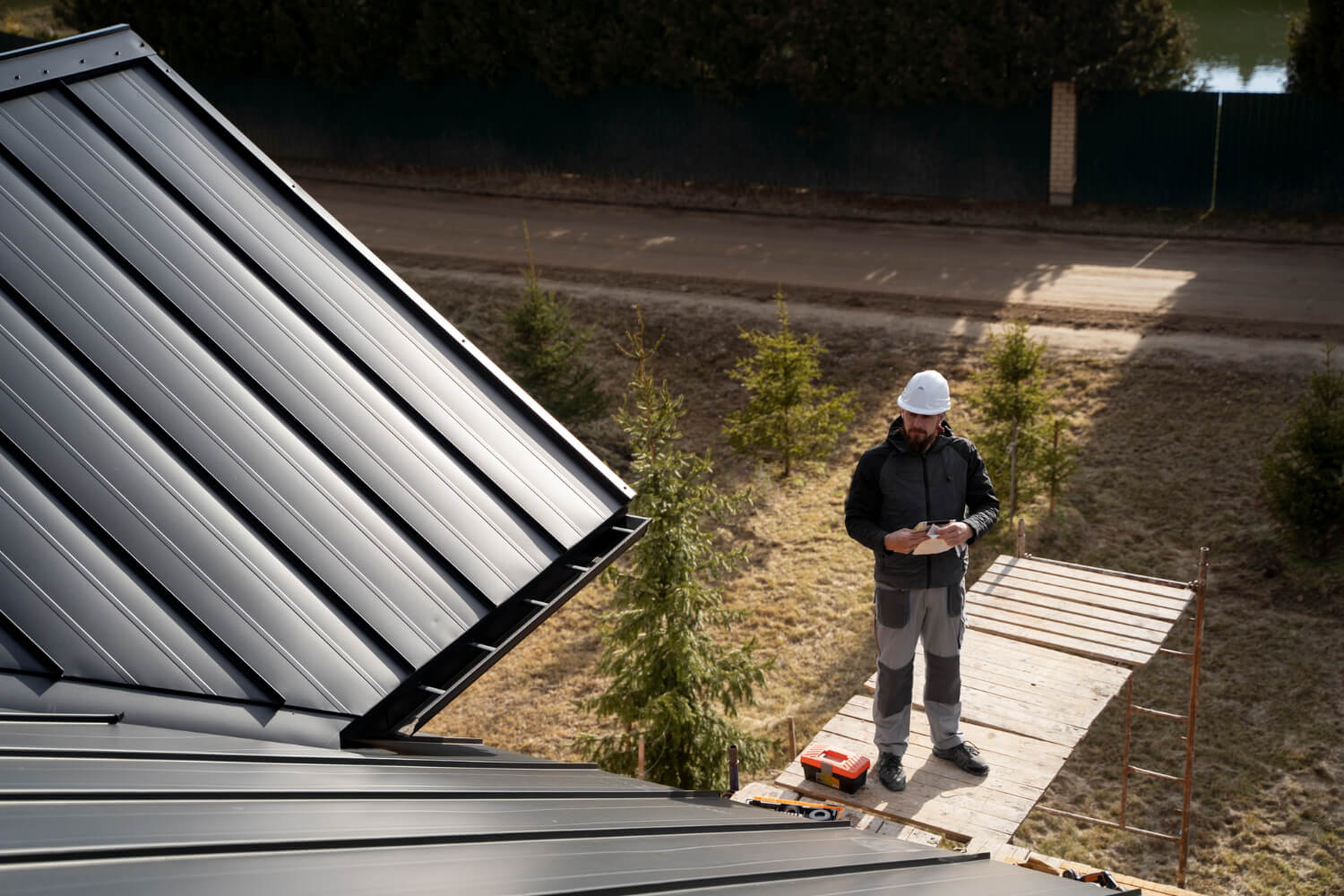
When maintenance is neglected, even the best roofing materials lose their effectiveness. Small issues such as damaged shingles, compromised flashing, or clogged drainage can gradually reduce energy performance without obvious warning signs.
This is why maintenance planning should be integrated into broader energy management strategies, rather than treated as a reactive expense.
Roofing, Property Value, and Long-Term ROI
From a business and investment standpoint, roofing quality has a direct impact on property value. Buyers and investors increasingly prioritize energy-efficient features and long-term durability when evaluating real estate.
A roof in good condition signals responsible ownership, lower future costs, and readiness for renewable upgrades. Conversely, deferred maintenance can raise red flags, reduce negotiation leverage, and increase insurance premiums.
In competitive markets, properties with documented maintenance histories and energy-conscious upgrades often stand out. Roofing, therefore, becomes part of a larger narrative around asset stewardship, sustainability, and operational efficiency.
The Role of Preventative Maintenance in Sustainable Living
Sustainable living is not solely about installing green technologies—it’s also about extending the life of existing systems. Preventative roof maintenance reduces material waste, minimizes emergency repairs, and avoids premature replacements that contribute to construction landfill volumes.
This philosophy aligns with circular economy principles, where longevity and efficiency are valued over constant replacement. Regular inspections, minor repairs, and surface treatments can add years to a roof’s lifespan while preserving its energy-saving properties.
In practical terms, maintenance is one of the most cost-effective sustainability actions available to property owners.
Market Trends: Roofing Meets Energy Innovation
Across the construction and energy sectors, innovation is reshaping how roofs are designed and maintained. Cool roofing materials, integrated solar tiles, and advanced coatings are becoming more accessible as technology advances.
At the same time, data-driven maintenance planning—using inspections, performance tracking, and predictive assessments—is helping property owners make smarter decisions. These trends reflect a shift toward proactive management rather than reactive repairs.
As renewable energy adoption continues to grow, roofs will increasingly serve as multifunctional platforms—providing protection, efficiency, and energy generation all in one system.
A Holistic Approach to Building Performance
Ultimately, energy efficiency and sustainability require a holistic approach. Roofing should not be separated from broader conversations about renewable energy, climate resilience, and long-term cost management.
By prioritizing roof quality and maintenance, property owners create a strong foundation for future upgrades, whether that involves solar installations, insulation improvements, or smart energy systems. This integrated mindset benefits homeowners, businesses, and communities alike.
In regions with demanding climates, the roof is more than just a structural element—it’s a strategic asset that influences comfort, costs, and environmental impact for decades.
Conclusion
While renewable energy technologies continue to evolve, their success often depends on less visible factors. Roofing quality and maintenance play a critical role in energy efficiency, sustainability, and long-term value. From reducing cooling costs to supporting solar systems, a well-maintained roof quietly enhances every aspect of building performance.
For those seeking smarter, more sustainable living and investment strategies, starting from the top may be the most effective decision of all.